
Clear scope, fewer arguments: the model as a guarantee
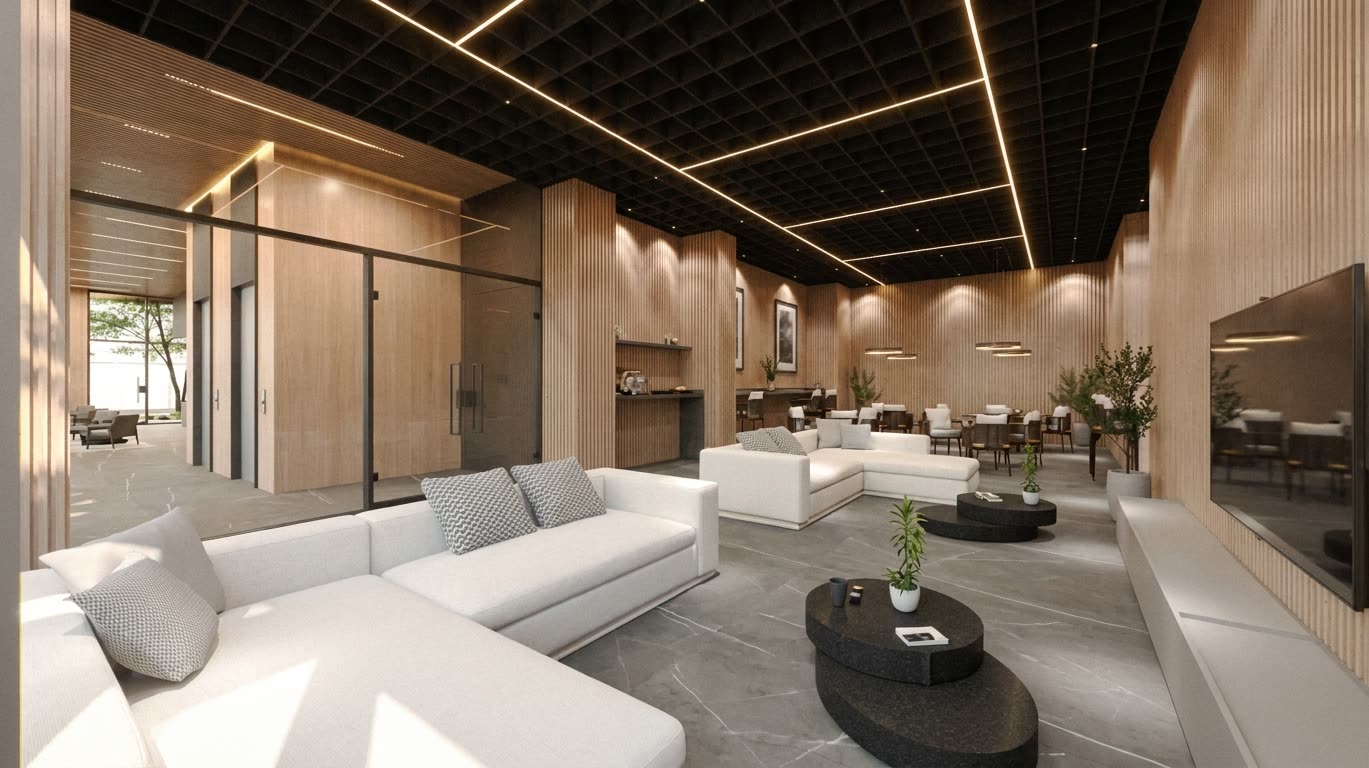
“I understood the kitchen came with a quartz countertop.” Every developer knows that sentence, and knows what follows: pull the contract, find the spec sheet, argue over what the render showed, and end up either conceding or looking bad.
Want to see this on your project? Book a free demo
The root cause is almost always ambiguity
Arcadis, which publishes an annual global construction disputes report, points to the same place: projects get underway on very aggressive schedules while the contract documents are unclear, incorrect or missing pieces entirely.
It's rarely bad faith. It's that a drawing and a spec sheet describe; they don't show. And describing leaves room for two honest people to understand different things.
The guarantee runs both ways
For the buyer
A three-dimensional model of the project is the visual record of what was promised. Not a render “for illustrative purposes,” but the apartment they're going to receive, with the finishes written into their contract.
That defuses an anxiety that's entirely legitimate: they're paying for something that doesn't exist and won't see finished for another two years.
For the developer
The same model documents the scope. If what was shown and approved is finish A, a claim about finish B gets settled by looking, not arguing. Traceability protects both sides — and it protects the one acting in good faith more.
A model doesn't eliminate disagreements. It makes them verifiable.
It works the same way with contractors
A good share of change orders comes from scope boundaries poorly defined between one contract and the next. The Construction Industry Institute figure backs it from the other side: design changes, errors and omissions explained 79% of deviation costs in the projects it studied, equal to 9.5% of total cost.
When every contractor walks the model before quoting, the boundary is visible. And what's visible gets agreed on.
Credibility sells too
In a market where new housing sales fell 11% in the first two months of 2026, according to Camacol, buyers are more cautious and compare more before signing.
Showing the whole project — no convenient angles, not hiding the facade that faces the neighbor — communicates something no slogan can: that there's nothing to hide.
An honest caveat
This only works if the model matches the real project. A digital twin that flatters — ceilings that aren't in the spec, furniture at the wrong scale, views that don't exist from that floor — produces the opposite effect: the buyer arrives at handover with an expectation you created yourself.
That's why, when we model, we work from the approved drawings and explicitly mark what is delivered finish and what is staging. It looks less flashy and it holds up far better.
That's how we build each project's digital twin, and how it gets reviewed with the technical team in Vista D360.
Sources
Construction Industry Institute — Costs of Quality Deviations · Arcadis — Construction Disputes Report · Camacol — Colombian housing market, early 2026
Want to see this on your project?
Book a free demo and we'll show you a real virtual sales room, working.
Request a demo