
Technology that sells
Trends, ideas and advances in 3D visualization, virtual sales rooms and sales acceleration for the real estate sector.
The pre-sales break-even point: how to reach it sooner without cutting prices
Until you reach break-even, the trust company holds the money and construction waits. Where pre-sales stall and how to sell the remaining units faster.

Cancellations in off-plan housing: why buyers walk away and how to prevent it
Cancellations of social-interest housing rose 168% in four years. The causes Camacol points to and what the developer can control while the buyer waits.

How to sell shared amenities that do not exist yet
Amenities weigh on the decision, but on a site plan they are a labeled rectangle. How to show the pool, the gym or the rooftop so buyers picture themselves using them.

A real estate project brochure: what it needs and which renders to include
What an off-plan project brochure needs, how many renders to include, what the law says about what you advertise and how to move buyers from paper to the 3D tour.

AI renders: where they help and where they fail in a real estate project
AI produces attractive images in minutes, but it ignores plans and dimensions. What it is good for when selling a project, where it fails and how to combine it with the 3D model.

How to show construction progress to buyers (and keep their trust)
Years pass between the reservation and the handover. What to show buyers each month, especially those who live far away, so they do not doubt and do not walk away.

How to sell lots in a country-club community before the land is developed
An undeveloped lot is hard to picture. How to show the land, the view from each lot, the roads and the house that can be built so buyers can decide.

How to sell retail units and offices off-plan
Buyers of retail units and offices decide on business criteria: visibility, foot traffic, rental potential. What to show them so they invest before the building exists.
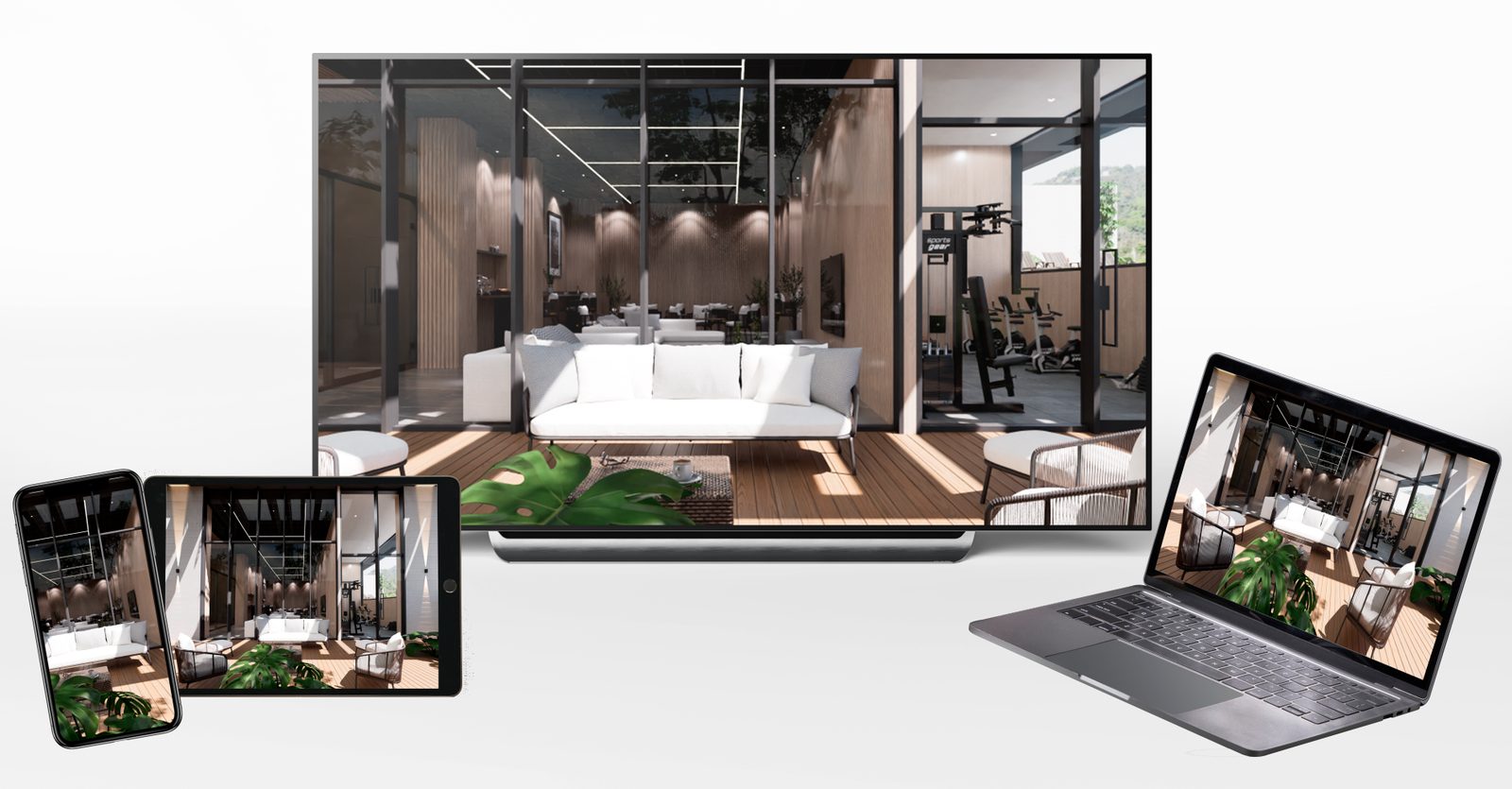
One virtual sales room, five channels: in the sales room, remotely, live, at online fairs and on video calls
The same 3D model works in the sales room, on the buyer's phone, in a live stream, at an online fair and on a video call. What each channel does and how they connect.

Physical model or virtual model: what works best in the sales room (and when to have both)
The scale model is still the centerpiece of many sales rooms. What it shows well, what it cannot show and how to combine it with the project's 3D model.
What equipment a sales room needs to run the virtual model
Screen size by viewing distance, a local computer or streaming from a server, tablets, backup internet and a plan B for when something fails.

A packed Saturday: how to serve several families at once with the virtual model
Self-guided tour stations, group presentations at fixed times, a tablet for each rep and a booked video call for anyone who leaves without being served.
Closing a sale remotely: reservation, paperwork and signatures without the buyer traveling
The tour and the video call lead to a yes. What comes next, the reservation, the trust account, the signatures and the power of attorney, can also be done without traveling.
A remote sales team: reps who sell the project from another city
Remote reps or extended hours, assigning buyers by time zone, a shared calendar and quality review of video calls.
How to run a live stream to sell a real estate project
The network for your audience, the three roles, a thirty-minute structure, the invitation beforehand and the clips afterward. And how to measure it in appointments, not views.

Live stream ideas for developers: formats that end in appointments
The view from each floor at sunset, 'you choose the finish', ask the architect, construction progress next to the model and a stream timed for buyers abroad.
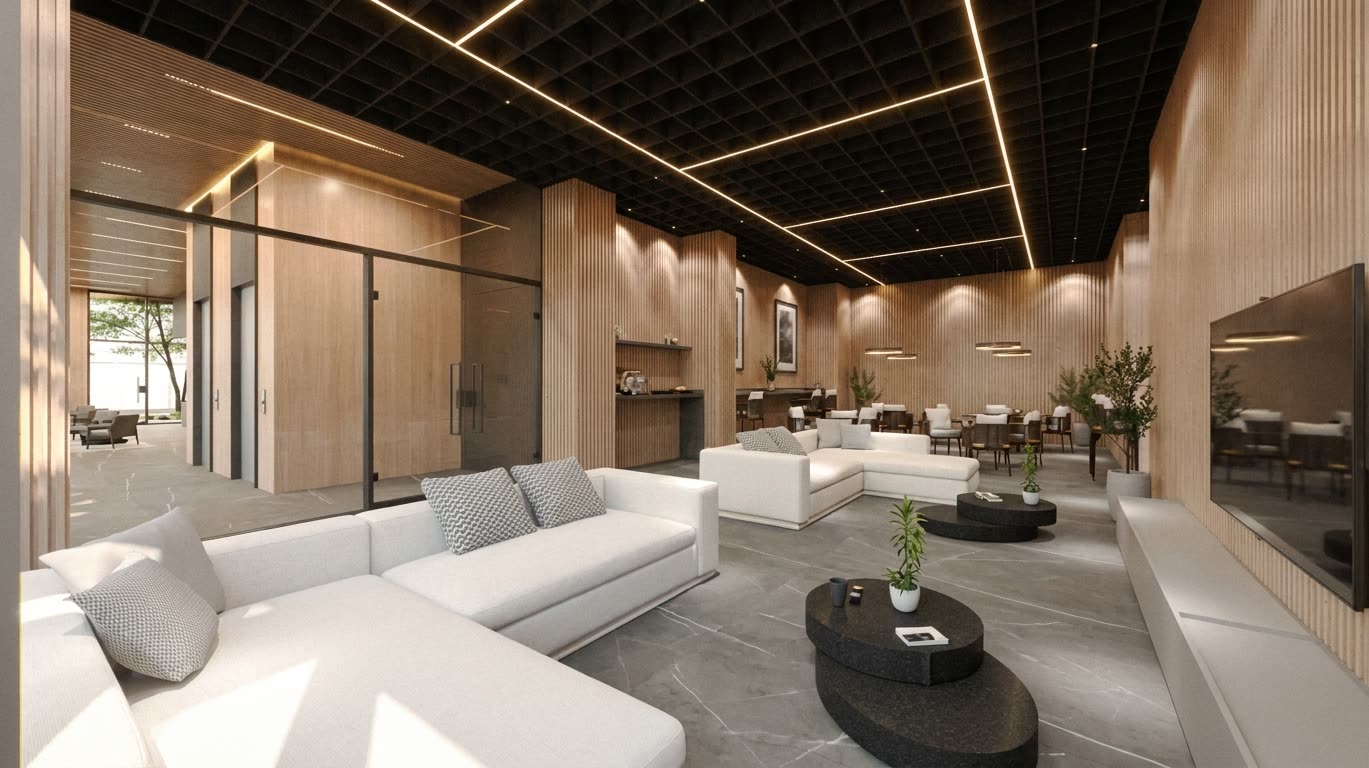
Streaming the virtual model live: equipment, software and settings
Capturing the model in real time with OBS, building the scene with the rep's camera, quality per network, the rehearsal and the plan B.
How to organize an online real estate fair
Your own, with your whole portfolio, or with other developers and partners: the platform, booths you can walk through, live talks, one-on-one appointments and follow-up.
Your booth at a virtual housing fair: how to stand out among twenty projects
When you take part in a virtual fair run by an industry group, a portal or a family compensation fund: what to put in the booth, how to staff it and how to keep the leads.
Webinars for buyers and investors: how to turn a talk into appointments
A talk with registration for a specific audience, for example Colombians in Spain, with a live tour, questions and follow-up by email and WhatsApp.
How to share the virtual model on Zoom, Meet, Teams or WhatsApp without it freezing
When to share your screen and when to send the link, how to turn on video mode, sound, the minimum connection, handing control to the client and the plan B.

Video calls with several decision-makers: the couple in the sales room, the parents at home and the son abroad
Who really decides, how to coordinate times across countries, how to handle different opinions on the same call and what to send each person afterward.

How to sell an apartment fast: what speeds the sale up and what slows it down
An apartment sells fast when the buyer understands what they are buying without effort. What helps, what gets in the way and where 3D comes in.
How to reach more real estate buyers without doubling your ad spend
Most developers talk to the same buyer, in the same city, at the same hours. Where the buyers nobody is serving are.

Real estate marketing for developers: what actually sells an off-plan project
There is plenty of ad budget. What is almost always missing is material that makes the project understandable. A marketing plan built from the ground up.
Real estate leads: how to get prospects who actually buy
A hundred forms do not do much good if eighty cannot buy and the other twenty wait two days for someone to call.
How to show an apartment so it sells: the viewing that convinces, in person or remotely
The same apartment can feel small or spacious depending on how you walk through it. The order of the visit, what to show first and how to do it by video call.
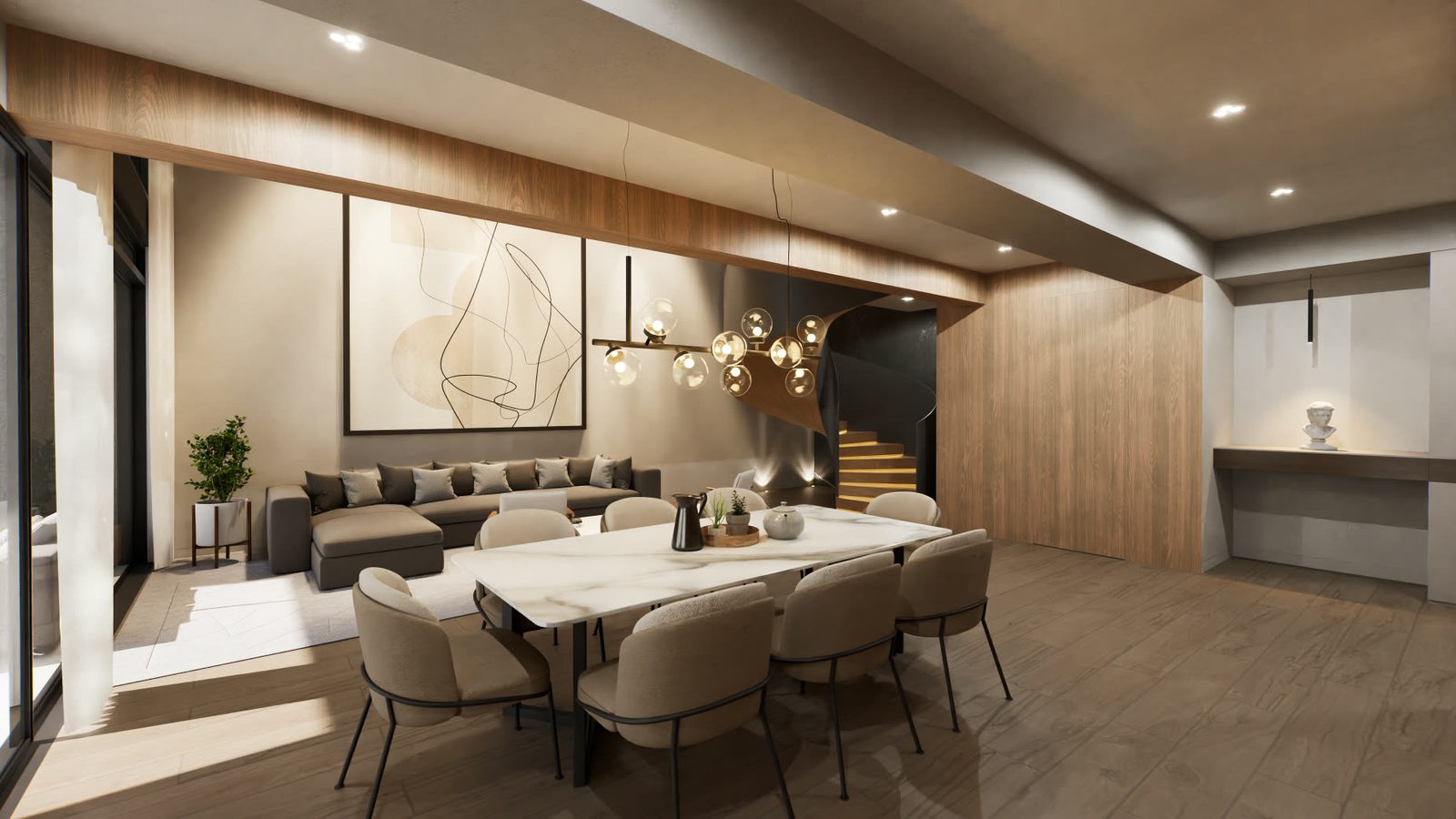
Virtual home staging: how to furnish an apartment in 3D to sell it
An empty space looks smaller and colder than it is. Furnishing it in 3D helps buyers picture themselves there, and it works for every unit type.
How to make your real estate project stand out when everyone offers the same thing
"Great location, luxury finishes, amenities." If your brochure says the same as the other five, the buyer will decide on price.

Off-plan home buyer objections and how to answer them
"I'll think about it", "it looks small", "what if they never finish it?". What lies behind each objection and why showing beats arguing.
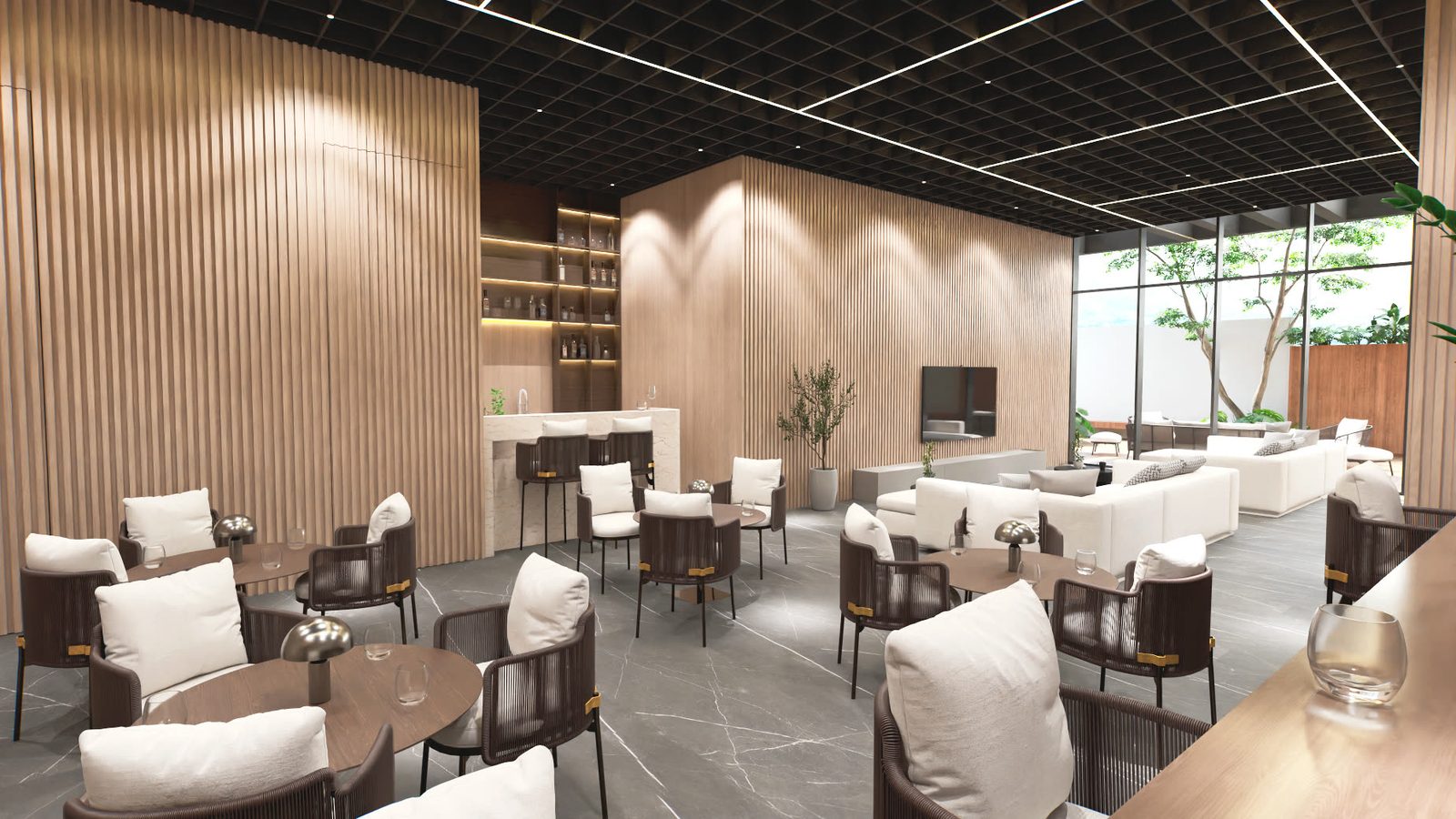
Designing a real estate sales room: the journey that leads to a signature
A good sales room is designed like a journey that ends in a signature, more than like a nice office. The six zones and the right order.
Where to locate the sales room: on the lot, in a shopping mall or nowhere at all
Location decides how many people walk in and how much you pay every month. The four options, with what each one gains and costs.
Opening pre-sales with a virtual room: selling months before the physical one
The break-even point will not wait for your sales room. How to start selling with the 3D model while construction is barely starting.
Trade fair stand and travelling sales room: 20 m² that perform like a big room
At a fair you compete for thirty seconds of attention. What to bring to win them, and how to turn a hallway contact into a booked meeting.
One sales room for several projects: selling your whole portfolio from one place
Building and dismantling one room per project is slow and expensive. How a multi-project room works, and when it does not fit.
Sales rooms for social-interest and high-end housing: what changes in each
Affordable-housing buyers and high-end buyers decide differently. What should change in the room, the materials and the agent's script.
Sales room metrics: what to measure to know whether it works
If reservations are all you measure, you find out too late. The seven metrics that warn you in time, and what to do with each one.
Ten mistakes when setting up a real estate sales room (and how to avoid them)
Almost none of them are design mistakes: they are decisions made in the wrong order. The ten that cost the most, and how to fix them.

Real estate sales room: physical, virtual or hybrid. What it is, what it needs and what it costs
A guide for developers: the three sales room formats, what each one needs, where the budget goes and why the virtual one sells more.
How to set up a real estate sales room, step by step
Eight steps, from the sales goal to opening day, to set up a sales room that closes deals instead of just receiving visitors.
The budget of a physical sales room: where the money goes (and how much of it comes back)
Construction is only the first line. The line items almost nobody adds up, the cost-per-sale formula and how to lower the budget without lowering sales.
How to create a virtual sales room, step by step: from drawings to a published tour
What the developer needs to provide, how the model is built, what gets reviewed and how it is published so the sales agent uses it from day one.
The hybrid sales room: how to combine physical and virtual to sell more with the same team
The question is no longer physical or virtual. What goes in each, how buyers move between them and why the same team ends up selling more.
Why your off-plan apartments sell slowly (and it is rarely the price)
You lower the price, add a discount, and reservations still do not move. The buyer's doubt is about what they cannot see, more than about the figure.
How to sell the apartments nobody wants: low floors, poor views and difficult layouts
The first apartments sell themselves. The last ones are the low floors, the views onto a wall and the odd layout. This is how they sell too.
How to raise your sales room closing rate with an interactive 3D model
Almost the whole budget goes into bringing in visits. The cheapest lever is converting the ones already walking through the door.

What a real-time graphics engine is, and why developers use it to sell
The same software behind the most realistic video games now drives the sale of off-plan projects. What it is and what it changes for your sales team.
Real-time rendering vs. traditional rendering: what changes when the goal is to sell
One is a photograph; the other, a camera in the buyer's hands. Quality no longer separates them. What separates them is what you can do next.
New technologies to sell apartments: which ones move sales and which are a trend
Every year a technology appears that will change real estate sales. Few do. This is the filter to tell which ones will.

How to sell apartments with artificial intelligence and 3D visualization
Almost everything written about real estate AI is meant for agents selling resale homes. This is what helps those who sell off-plan.
How to present an apartment that does not exist yet
Most presentations start with the floor plan. It is the worst place to start. This seven-step script works better.
The view and the light: how to show what buyers ask most, before building
Two questions come up at every visit and no floor plan answers them: what you can see from the apartment and how much light comes in.
How to sell apartments over WhatsApp: the 3D tour the sales rep sends in the chat
The first contact, the doubt, the appointment and the follow-up all happen in the chat. What you send there decides whether the conversation moves or cools.
How to present a real estate project over video call without losing the client
For those who live in another city or country, the video call is the sales room. Most are wasted showing a PDF.
Touchscreens in the sales room: how to make them the sales rep's best tool
The big screen in the sales room usually loops the same video. It could be the most useful tool the sales rep has.
How to sell apartments in Colombia to foreign buyers
Not the Colombian living abroad: someone who has never been to your neighborhood. They need different things to decide, and almost all of them can be shown.
How to sell to an investor who will never visit the project
They will not fall in love with the kitchen. They will ask about rent, location and delivery date. And they want to verify that what they buy is what is promised.
3D video of a real estate project for social media: how to stop the scroll
The classic project video opens with the logo and epic music. On social media, two seconds in, nobody is watching.
The project website: how to use the virtual tour so the client arrives decided
Almost every project website is a render carousel and a form. With a 3D tour, the client arrives at the sales room knowing what they want.
A brochure is not enough: selling to a buyer who lives abroad
One in four sales goes to someone who will never enter your sales room. What you send them is a PDF, and it is not enough.

What a virtual sales room must contain (and what is unnecessary)
Six things that make a virtual sales room close deals, and two that get bought on fashion and never used.

The guided virtual tour: the appointment people actually keep
Book half an hour, send a link and walk the project together. The missing step between a bare link and asking someone to travel.
One model, every sales asset
Renders, video, 360° tours and the interactive model can all come from one model instead of four separate productions.
Adjusting the project in 3D before selling the first apartment
Massing, materials, entrance, parking and green areas, adjusted on a navigable model before committing to anything.
The distance between your project and whoever will buy it
Your team knows the project by heart; the buyer sees a drawing they cannot read. That is the distance to close.
Valuing a site before you buy it
IMERZA analyses daylight, sight lines and even traffic noise on a 3D model to estimate what a site is really worth.
From catalogue to contract: when the buyer configures the home
Up to 30% more upgrade revenue, 66% more sales and 70% fewer in-person appointments. The numbers behind the configurator.
“Drawings do not make decisions, they only reflect them”
“Drawings are not designed to make decisions, they only reflect them.” Higharc goes from sheets to data, and from weeks to minutes.
Selling without a physical sales centre: a Berkshire Hathaway subsidiary’s bet
A Berkshire Hathaway subsidiary sells via pixel streaming and puts ten builders under one shared platform.
Competing like a national builder without being one
The advantage of the big firms was never talent, it was the tooling budget. That asymmetry is closing.
Pixel streaming: how a heavy 3D model fits on any phone
The model runs on a server and the buyer receives video. One developer went from US$24M to US$400M with this technology.
The 3D asset that doesn't depreciate when you hand over the building
A bank modeled 503 branches in three months and saved 6,000 survey hours. The model that keeps working after handover.
Changing the finish in front of the client: why it closes faster
Changing the floor and the countertop while the client watches. Why it turns the buyer into a co-creator.
The corporate tenant doesn't assess the building: they assess the block
A London office project modeled the whole city around the building. Why the surroundings decide the lease.
What an airport teaches a real estate megaproject
Hyderabad airport unified its operation in an AI digital twin. What applies to a large real estate development.
Hotels: from the virtual tour to the model that runs the front desk
The tour pre-qualifies event planners. And research already points to the model that runs the front desk.
How to bring more qualified visitors to your sales room
Sales fell 11% in early 2026 in Colombia. Five moves so the people who walk in arrive decided, not just browsing.
The first contact no longer happens in the sales room
By the time a buyer reaches your sales room they've formed an opinion. How to make that first digital impression work for you.
Selling homes to Colombians living abroad: the data
12.1% of new housing is now bought by non-residents. Where they come from, where they buy and how to sell to them remotely.
Deciding late is expensive: digital twins and decision time
McKinsey: large projects take 20% longer than scheduled. Much of that time is lost deciding, not building.
A digital twin isn't just for selling: it works on site too
Contractors quoting on the same thing and site meetings that skip the interpretation debate. The 3D model behind closed doors.
Clear scope, fewer arguments: the model as a guarantee
Most construction conflicts start with ambiguous documents. A shared model turns disagreements into something verifiable.
At what project size does a digital twin pay off?
Only for megaprojects? What the model contributes on small, mid-sized and large-scale developments.
60% of new housing in Colombia is sold off-plan
Camacol reports 173,632 homes sold in 2025 (+12.4%). What it means for developers that seven in ten purchases happen before construction.
How much faster does a 3D tour sell? The data
An analysis of MLS transactions found that properties with a 3D tour sell up to 31% faster and up to 9% higher in price.
The hidden cost of design errors (and how 3D prevents them)
CII found that deviations ending in rework add up to 12.4% of installed cost. Reviewing the project in 3D before building tackles the cause.
Model apartment vs. virtual sales room: the real math
What a model apartment really costs, what a virtual sales room covers, and where each one wins. An honest comparison, no marketing.
Renders, 360° or 3D video: which to use at each sales stage
A practical guide: what each 3D piece does in the sales process and how they hand the client from one to the next.

Unreal Engine 5.8 and the future of architectural sales and visualization
Real-time photorealistic rendering, in-browser tours and live configurators: this is how Unreal Engine is changing the way off-plan projects are sold.
«100% virtual deals were closed»: the Koi Constructora experience
Grupo Koi's manager explains how they sold the Kronus project to buyers across several cities and countries, 100% virtual and with no model apartment.
Strategic partnerships: real estate's new revenue engine
Portals, agencies and sales firms are adding 3D technology to their offering. Here's how the model works and what you gain.
5 keys to selling off-plan projects faster
From static render to a tour you can explore: five concrete practices to shorten the off-plan home sales cycle.
2026 trends in selling off-plan real estate projects
Immersive tours, real-time customization and artificial intelligence: this is how off-plan homes are being sold in 2026.
What is a virtual sales room and why does it accelerate your sales?
Much more than a render: we explain what a virtual sales room is and how it helps sell off-plan projects.
360° tours and digital twins: the new real estate standard
From 2D plan to digital twin: how 3D visualization improves decisions and the sale of real estate projects.
How to build a 100% digital sales room
A 7-step roadmap for selling off-plan projects, with data from Camacol and McKinsey and the case of a project sold 100% virtually.