
A brochure is not enough: selling to a buyer who lives abroad
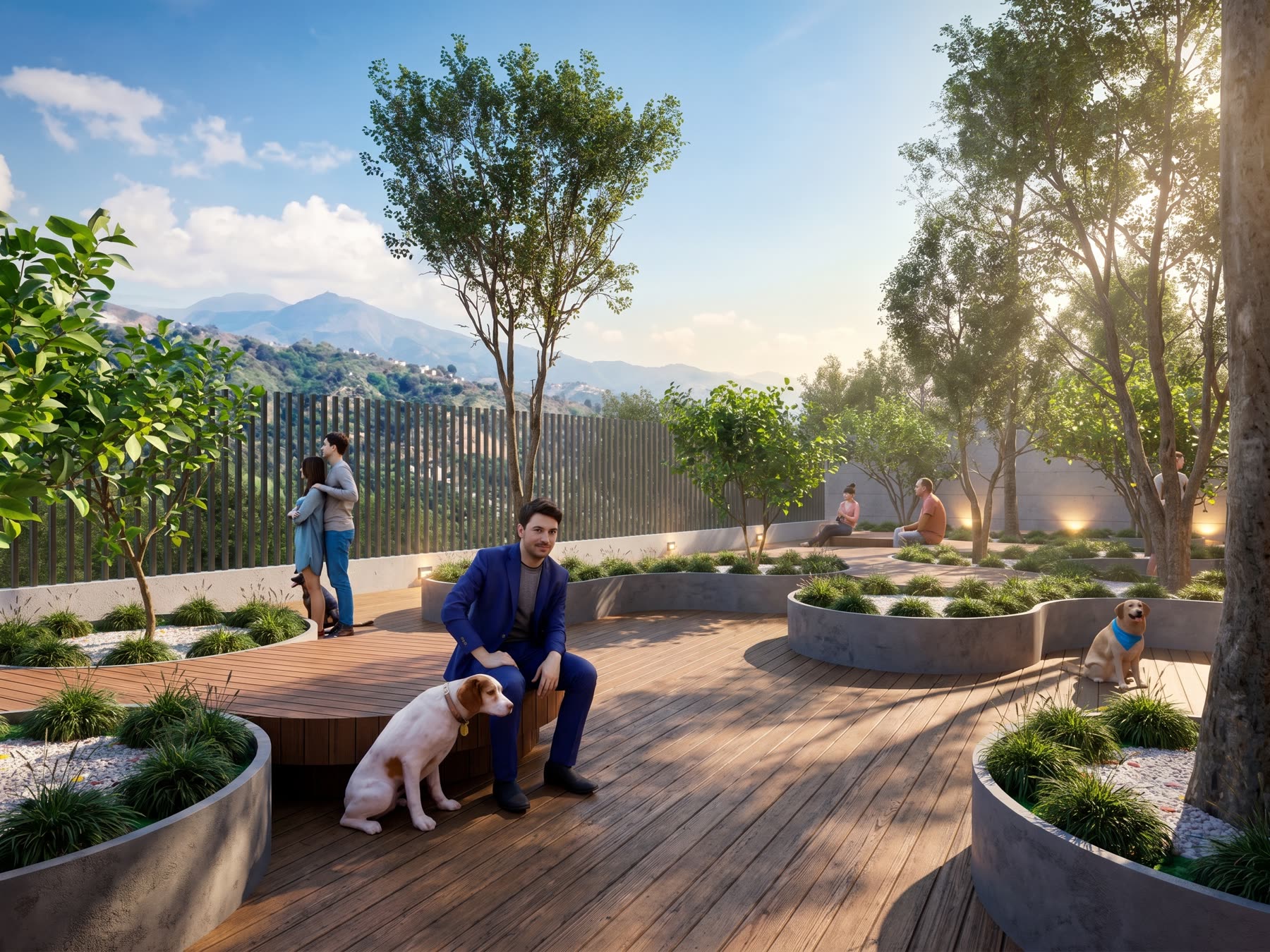
A Colombian in Miami sees your project on Instagram, messages on WhatsApp and asks for information. Your agent sends what they have: a PDF brochure, some renders, the price list and a floor plan. And then waits.
Want to see this on your project? Book a free demo
Usually nothing else happens. Not because the buyer lacked interest or money: because you cannot decide from that.
How many people we are talking about
This is not a marginal case. Camacol and Coordenada Urbana recorded that 12.1% of new housing sales go to non-residents, 10.0% to Colombians living abroad and 2.1% to foreigners, up from 8.8% in April of the previous year. The origin is concentrated: United States 68.1% and Spain 14.6%.
And there is a second remote buyer almost nobody counts: another 12.5% buy from a different department than the project’s.
Together, one in four sales goes to someone who will not walk into your sales room before deciding. There is real money behind it: Banco de la República reported US$10,854 million in remittances to October 2025, and around 15% of that money goes to housing.
Why the brochure fails
The PDF can be well made and still fail, because it asks the buyer to do things they cannot.
It does not let them in. A render is a photograph of a space from an angle somebody chose. The buyer cannot look the other way, lean out of the window, or know what is behind the camera. Those are exactly the questions they have.
It does not show the surroundings. Someone who has been out of the country for eight years does not know what that neighbourhood is like now. The brochure shows the building floating; what they need to know is what is on the corner.
It does not answer when they ask. The decision gets discussed on a Sunday night, six hours out of sync. Your sales room opens on Monday.
And it asks them to read drawings. A dimensioned floor plan is a technical document. Asking someone to commit a decade of savings on that basis is asking for an act of faith.
What they actually need
Zillow’s data points somewhere very specific: 60% of buyers would buy a property without visiting it in person if a virtual tour is available, and 62% would like to see more 3D tours in listings.
So distance matters less than it seems. What holds the purchase back is that the material reaching them is not enough to decide on.
A virtual sales room changes that send. Instead of a file, your agent sends a link where the buyer walks into the apartment, moves around, leans out onto the balcony and sees the real surroundings. They can go back twice that night and show their partner without booking anything.
The change in the conversation
With the PDF, the agent spends the first half hour describing the apartment in words. With the project on screen, that half hour becomes two minutes of walkthrough, and the conversation starts where it matters: financing, handover date and who is building.
For a buyer eight thousand kilometres away, that makes the difference between being able to buy and being left with the doubt.
This is exactly what we build the virtual sales room for, with 360° tours that share on WhatsApp and work from any country.
Sources
Camacol — Colombian construction statistics and Coordenada Urbana · Banco de la República — Workers’ remittances · Zillow Research — Buyer preferences and 3D tours
Want to see this on your project?
Book a free demo and we'll show you a real virtual sales room, working.
Request a demo