
From catalogue to contract: when the buyer configures the home
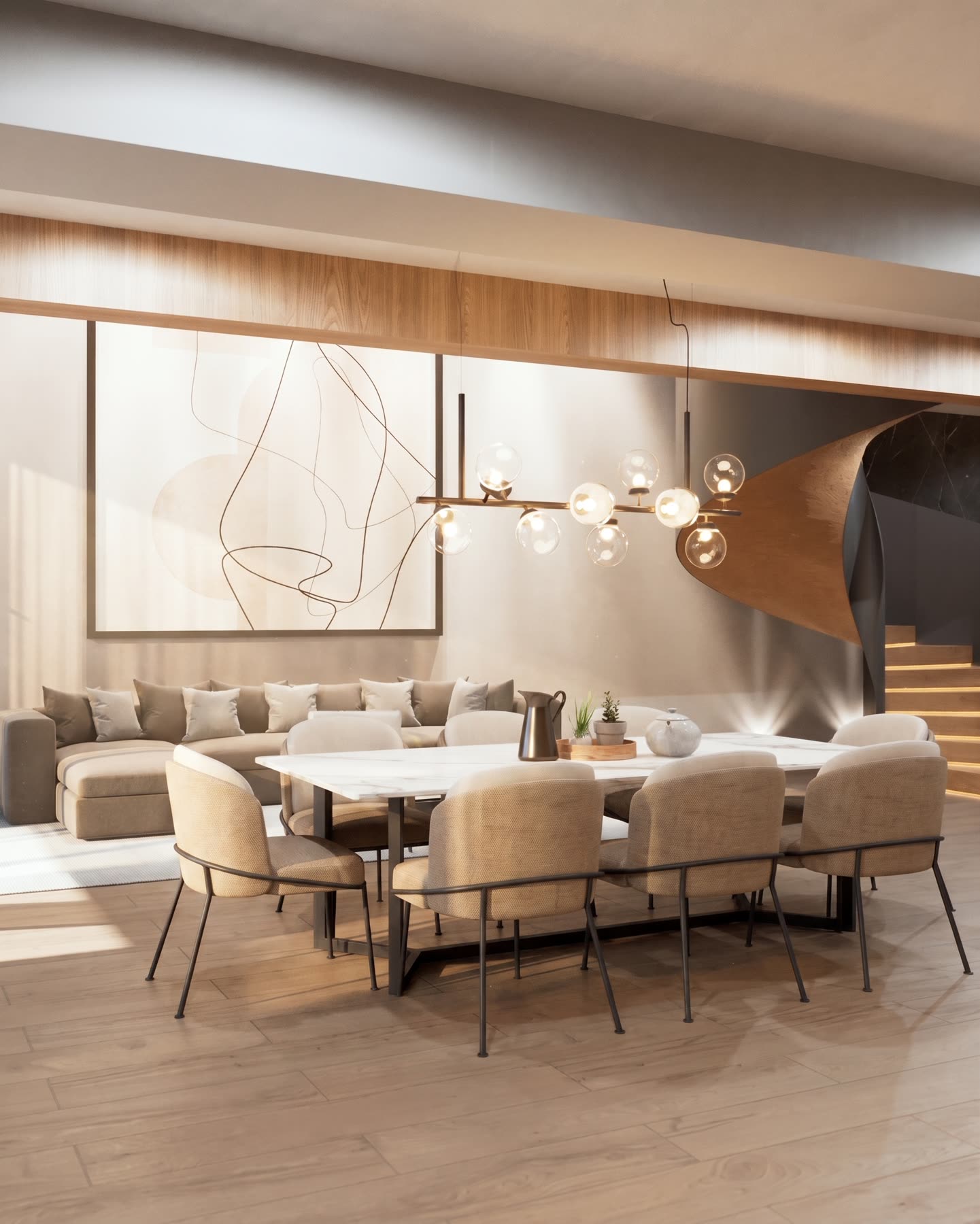
For years, a builder’s “configurator” was a colour picker on the website: three floors, two countertops, an image that changed. It was there to entertain, not to sell. That is over.
Want to see this on your project? Book a free demo
Choosing while seeing makes people choose more
ResVR builds home configurators on Unreal Engine. The idea is that the buyer explores floor plans, elevations, structural options, finishes and prices in real time, from the first website visit through to signing. According to the company, the measurable effect for the builder is an increase of up to 30% in upgrade revenue, plus faster and better informed purchase decisions.
Nathan Nasseri, founder and chief executive, describes it this way:
“ResVR is reinventing how homes are sold, designed and finalised by transforming the traditional new-home configurator; it used to be nothing more than a simple colour viewer and now it is an engine that builds buyer confidence and builder results.”
The logic behind that 30% is not sales magic. A high-margin upgrade (a better countertop, a kitchen island, a different floor) is hard to sell on a price list and easy to sell when the client sees it in their own kitchen. It stops being an extra charge and becomes a design decision.
The figure almost nobody looks at: 70% fewer appointments
Aareas Interactive works the other end of the funnel: the transaction. Their Virtual Design Center is built so that whatever the client puts together is always buildable, leaving no gap between what was signed and what can be delivered.
Frank Guido, president and chief executive, reports three figures:
“Our clients have increased sales by 66%, reduced Virtual Design Center appointments by 70% and doubled consumer satisfaction.”
The 66% is the headline, but the 70% is what changes the operation. Every finish appointment is a room taken, an advisor for two hours and a client who had to travel. Cutting those by two thirds does not make you sell more: it lets the same team handle far more sales without growing.
The addenda that never get signed
There is a third saving neither company puts in the headline and which is felt sharply on site: change-order addenda. When the buyer misunderstood what they bought, the change arrives late and is paid for in construction. ResVR’s material explicitly mentions mitigating the risk and high cost of those addenda.
It points the same way as what the Construction Industry Institute measures: design changes, errors and omissions account for most of the cost of a project’s deviations. Everything decided well before building is money not spent afterwards.
What it takes to have one
A serious configurator goes well beyond an image gallery. It starts from the project's 3D model, loads the real finish options on top and follows a strict rule: only what can actually be delivered can be chosen. That is the hard part, and it has more to do with product design than with technology.
It is what we build into custom experiences and into the virtual sales room: the client changes the finish and sees it, with the options your site can actually deliver.
Sources
Want to see this on your project?
Book a free demo and we'll show you a real virtual sales room, working.
Request a demo