
How to bring more qualified visitors to your sales room
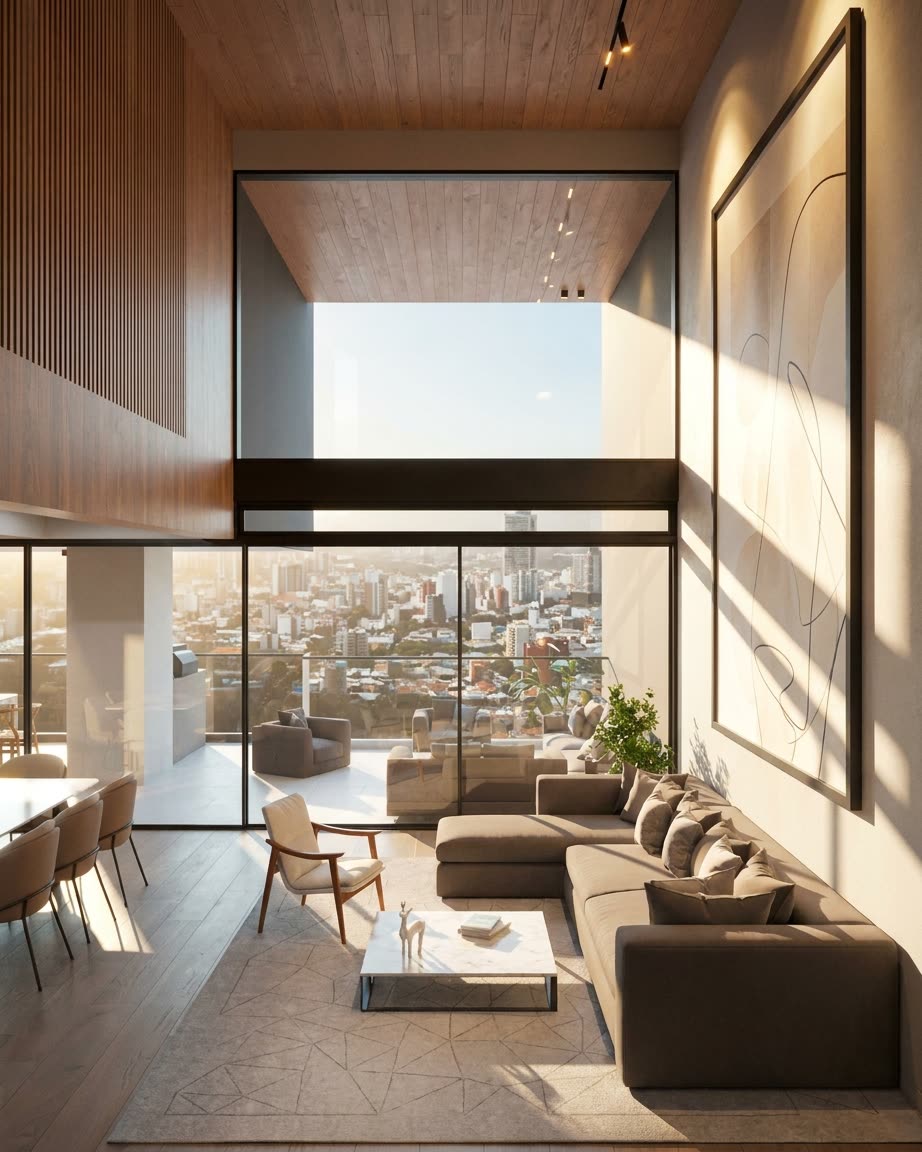
The room is ready, the sales rep knows the project by heart, the brochure came out beautiful. And nobody walks in. Or worse: people walk in, take a coffee, ask for the PDF floor plan and never reply again.
Want to see this on your project? Book a free demo
It's the most common complaint we hear from developers, and it almost never gets fixed with more ad spend.
First, the context: there are fewer buyers
This isn't a feeling. Using Camacol data, new housing sales in Colombia fell 11% in the first two months of 2026 versus the same period in 2025 (from 26,402 to 23,493 units) and project launches dropped 11.6%. The non-subsidized segment took the hardest hit on launches, down 18.7%.
With fewer people buying, every project is fighting over the same shortlist. Raising the media budget raises your cost per lead; it doesn't create buyers who don't exist.
The real shift: the visit is no longer the first contact
The 2025 National Association of Realtors report says it plainly: the home search starts online. But 88% of buyers end up purchasing through an agent, and 85% rank that agent as their most useful source of information.
Which means digital doesn't replace the sales rep, it comes before them. By the time someone walks into your sales room, they've already formed an opinion. The only question is whether they formed it with your material or with the project next door's.
Five things that actually move qualified traffic
1. Make the ad lead to something you can explore
An ad that leads to a form asks before it gives. An ad that leads to a tour where the person walks the apartment gives before it asks. And whoever tours the whole project and then writes to you is genuinely interested.
2. Let the buyer filter themselves
Zillow found that 60% of buyers would be willing to purchase a home without visiting it if they had access to a virtual tour, and that 62% want more 3D tours available.
Nobody is trying to stop visits. The goal is that whoever does visit already knows the apartment works for them, and arrives ready to talk price and payment terms instead of asking where the kitchen is.
3. Give the sales rep something they can send over WhatsApp
In Colombia the sales conversation lives on WhatsApp, and a twelve-megabyte PDF doesn't get opened there. A link that loads on a phone, with nothing to install, does. That link is what keeps the conversation alive between the first message and the appointment.
4. Know what they looked at before you call
When the tour lives on your own site, you know which unit types they opened, how long they stayed and where they dropped off. Calling someone knowing they spent four minutes in the three-bedroom is nothing like calling cold.
5. Rewrite the script for the visit
If the buyer already toured the project, the visit shouldn't start by explaining it. It should start by resolving: the real view from the floor they want, the finish they were unsure about, the payment plan. It's a shorter conversation and a lot closer to closing.
A visit that starts by explaining the project is a visit that starts late.
So is the physical sales room obsolete?
No. It changes jobs. It stops being where the client discovers the project and becomes where they close on it. In practice that means fewer visits, but better ones.
That's what we build the project's digital twin for: one model that feeds the ads, the website, the rep's WhatsApp and the screen in the sales room.
Sources
Camacol — Colombian housing market, early 2026 · NAR — Profile of Home Buyers and Sellers 2025 · Zillow Research — 3D tours and virtual tools
Want to see this on your project?
Book a free demo and we'll show you a real virtual sales room, working.
Request a demo