
The first contact no longer happens in the sales room
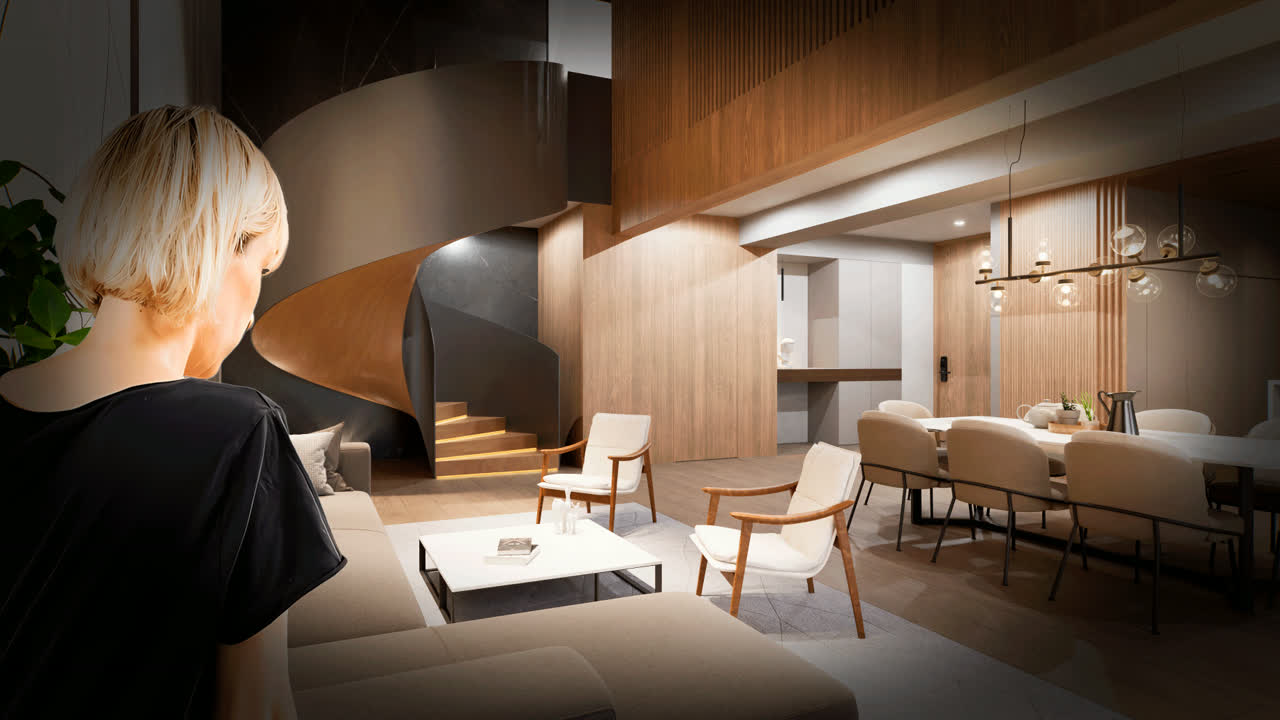
There's a moment almost no developer measures that decides a good share of their sales: the three or four minutes in which someone, at home and on their phone, forms an idea of your project.
Want to see this on your project? Book a free demo
By the time that person reaches the sales room, if they reach it, half the decision is already made.
What the data says about that moment
The 2025 National Association of Realtors report confirms the search starts online, even though the close still runs through a person: 88% of buyers purchase through an agent and 85% name that agent as their most useful source.
Zillow, for its part, found that 62% of buyers want more immersive 3D tours available, and that 72% of sellers prefer working with agents who use them.
That people want tours is well known. The interesting part is why they want them.
The three questions a render doesn't answer
Someone buying off-plan arrives with three specific doubts, and none of them is settled by six pretty images:
- Does my life fit in there? Not how many square meters the bedroom has, but whether the bed they already own and the closet they need will fit.
- What does it look like from my floor? The render was shot from one angle. Their apartment is on the fourteenth, facing west.
- What exactly do I get? Which finish is included and which one was only “for reference”.
While those three questions stay open, the buyer doesn't rule the project out: they postpone it. And postponing, in a market with several options on the table, looks a lot like losing.
What changes when the first contact is a digital twin
A digital twin goes well beyond a bigger render. It's the whole project modeled and navigable: the buyer opens a link and does what they'd do on a visit, walk through, step onto the balcony, look out the window, swap the wood floor for porcelain tile and see how it lands.
There the three questions answer themselves, with nobody having to be on the other end. And whoever comes out of that experience and writes “I want to see unit 1402” is much more than a lead. They're a visit that's practically closed.
The point of digital material isn't to avoid the visit. It's to make sure whoever visits arrives decided.
What this looks like day to day
In practice the tour becomes the spine of the sales conversation:
- It goes in the portal listing and the paid ads, instead of the form.
- The rep sends it over WhatsApp the moment someone asks.
- It gets shared on a video call with buyers in another city or another country.
- And in the sales room, the rep opens it on screen to settle specific doubts.
It's one asset working across all four stages. That's how we put together the experiences we produce, and how Koi Constructora sold the Kronus project to buyers in several cities and countries: the full interview is here.
When that first contact turns into an appointment, the conversation continues in the virtual sales room.
Sources
NAR — Profile of Home Buyers and Sellers 2025 · Zillow Research — 3D tours and virtual tools
Want to see this on your project?
Book a free demo and we'll show you a real virtual sales room, working.
Request a demo