
The view and the light: how to show what buyers ask most, before building
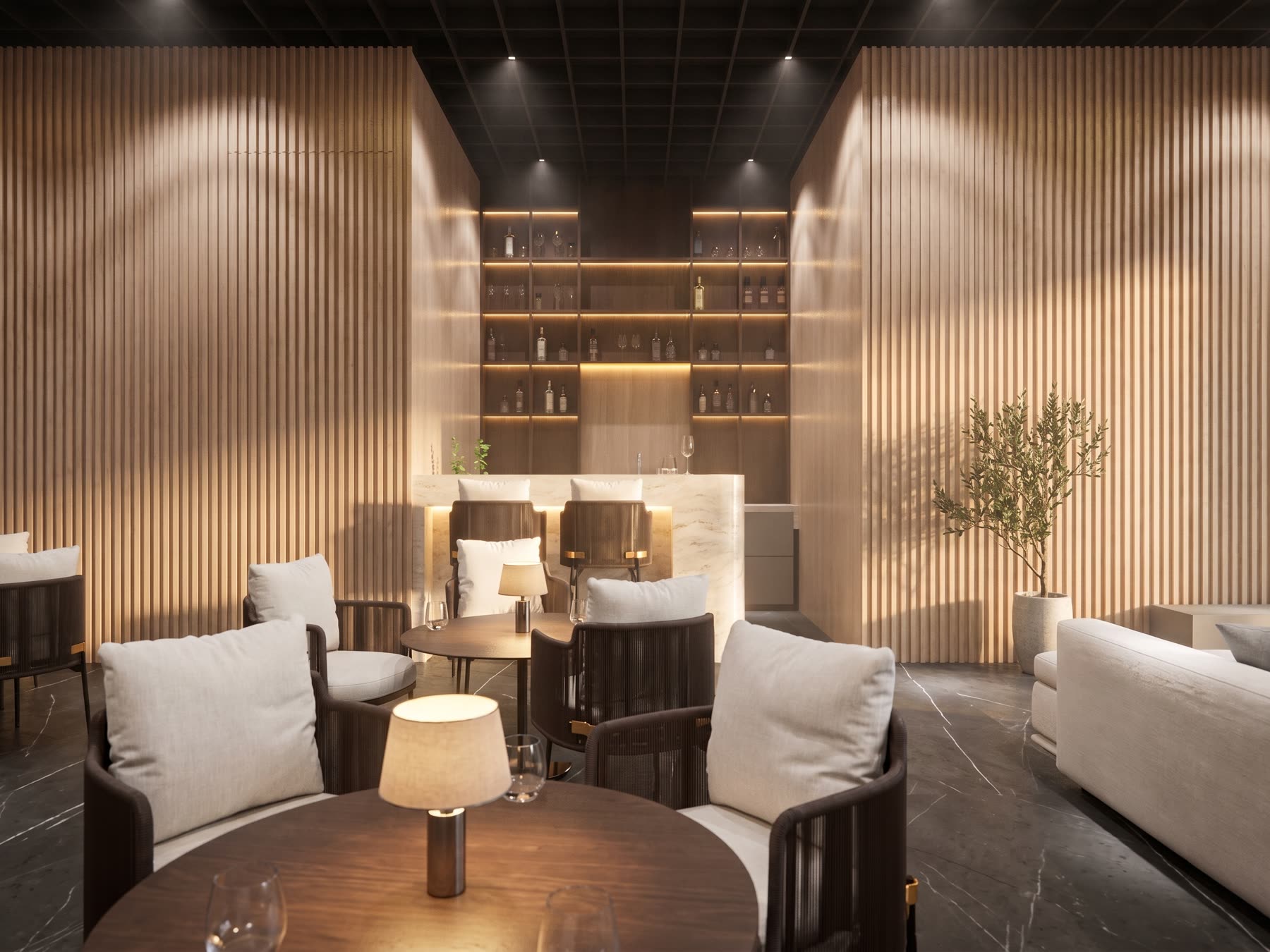
Ask any sales room agent which questions they hear most and two will always come up: "what can I see from my floor?" and "how much light does it get?". They are reasonable questions. The view and the light are among the few things about an apartment that cannot be changed after buying it.
And they are exactly the two a floor plan does not answer. A floor plan says which way a window faces, but not what is on the other side or how the sun comes in at four in the afternoon.
Want to see this on your project? Book a free demo
Why the view sells, and also unsells
The view is why upper floors cost more, and the buyer knows it. The problem appears when the only view they have seen is the cover render, almost always taken from the top and in the best orientation. If they buy the third floor imagining that view, on handover day they feel deceived even though nobody lied to them. We develop it in how to sell the apartments nobody wants.
The real view, floor by floor
In a model built in a graphics engine like Unreal Engine, the project does not float in a void: it is modeled with its surroundings, with neighboring buildings, roads, green areas and the landscape behind. So when the buyer stands on their apartment's balcony, on their floor and with their orientation, what they see is the view they will have.
This has an uncomfortable consequence worth accepting: you have to model what is not pretty too. If there is an eight-story building across the street, it is in the model. That honesty costs little, and it is what makes everything else believable.
The light, at any time of day
Light is harder to imagine than the view, and on a floor plan it is impossible. Unreal Engine can place the sun according to the project's geographic location, date and time, and light the model as the real building would be lit. With its real-time lighting system, you can see how light comes through the window, where the shadow falls in the morning and how the living room looks at sunset.
In our virtual sales rooms the buyer adjusts the lighting and sees it for themselves. For someone who works from home or keeps plants, that answer weighs more than any description. And NVIDIA technology, which we use for image upscaling and frame generation, makes that change of light look sharp and smooth.
Which assets come out of this
- View renders by floor: one image per level or orientation, for the sales rep and for each unit's sheet.
- Video of the day: the apartment's living room from morning to night, in thirty seconds. It works very well on social media.
- 360° tour from the balcony: the full view, to send over WhatsApp to whoever asks about a specific floor.
- The interactive application: where the buyer picks their unit, their time of day, and looks.
They all come from the same model, so they are consistent with each other and do not need separate productions.
For the buyer who cannot visit the lot
Someone who lives in the city can go to the site and look around. Someone who lives in another city or another country cannot. For them, the model's view is the only one they will have before signing. Zillow found that 60% of buyers would buy without visiting if a virtual tour is available; what they see in that tour is, in practice, what they are buying.
If you combine the model with a drone shot of the lot at the height of the floor in question, the answer is complete: the real view today and the apartment of tomorrow.
Sources
Zillow Research — 3D tours and virtual tools · Unreal Engine — How UE is transforming home building
Ready to accelerate the sale of your project?
We build your project once in Unreal Engine, and the renders, video, 360° tours and interactive sales room all come from it, ready for any phone.
Request a demo