
Renders, 360° or 3D video: which to use at each sales stage
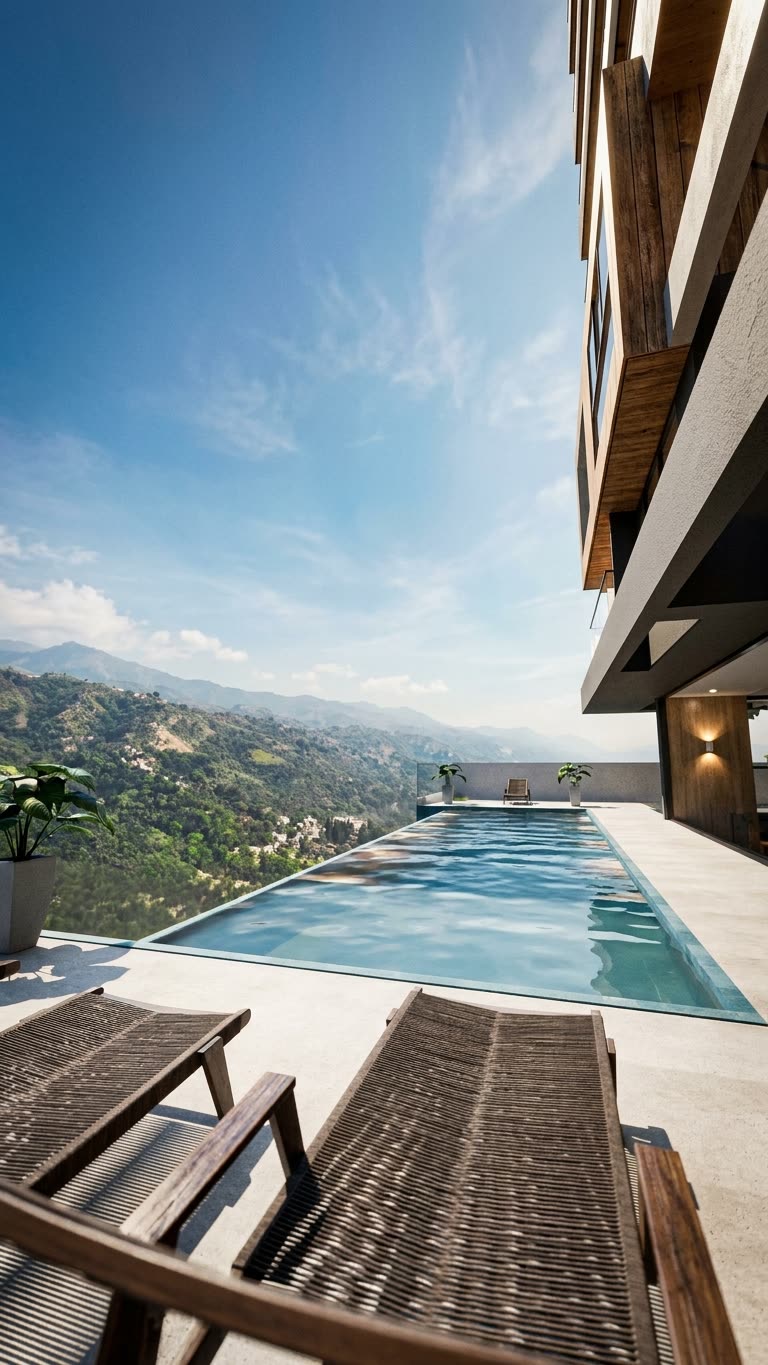
Render, 360° tour, 3D video, sales room. They sound alike and get mixed up constantly, but each one serves a different moment in the sales process. Here's the practical guide.
Want to see this on your project? Book a free demo
Render: to get noticed
A still, photorealistic image. It's the attraction piece: the one that goes in the portal listing, the billboard, the Instagram post, the brochure.
Its job is to make someone stop. It doesn't have to explain the whole project, it has to earn the click. That's why it pays to have several angles: facade, social area, the most attractive interior.
360° tour: so they explore on their own
The buyer opens a link, on their phone, installs nothing, and looks around at their own pace. It's the qualification piece: whoever tours the whole thing and then writes to you is genuinely interested.
It works especially well on the project website and in paid campaigns, because it doesn't require anyone on the other end.
3D video: to tell the story
A cinematic walkthrough, with pacing and music. It's the emotion piece: it lands on social media, works in presentations and on sales room screens.
The advantage over real video is obvious when there's no building yet: you can show the finished project, with sunset light and common areas full of life, two years before it exists.
Virtual sales room: to close
At this stage the material stops being something the client looks at alone and becomes a tool for the sales rep. In the sales conversation you walk the apartment in real time, change finishes based on what the client asks, and show the real view from their floor.
It's the closing piece, and it's where 3D material stops being marketing and becomes a sales argument.
The four assets side by side
| Asset | Stage | Where it's used | What it achieves |
|---|---|---|---|
| Render | Attraction | Listing portals, billboards, social media and brochures | Gets someone to stop and click |
| 360° tour | Qualification | Project website, paid ads and WhatsApp | Lets prospects explore alone and arrive decided |
| 3D video | Emotion | Social media, presentations and sales room screens | Helps buyers picture themselves living there |
| Virtual sales room | Closing | Appointment with the advisor, in the room or on a video call | Lets them decide with every question answered |
How they work together
The natural order is: the render attracts, the 360° qualifies, the video moves, and the virtual room closes. They don't compete, they hand the client from one to the next.
The important part: all four pieces come from the same 3D model. It's built once, and everything derives from it.
That's exactly what we do with the digital twin: build the project once and use it throughout the entire sales cycle. You can see the detail of each piece in tailored experiences.
What to ask for from each asset
- Renders: several angles (facade, amenities, the best interior), the time of day that shows the project best, and the formats each channel needs: landscape for portals and billboards, square and vertical for social media.
- 360° tour: the spots buyers ask about first, such as the living room, kitchen, main bedroom, balcony and amenities, and fast loading on a phone over mobile data.
- 3D video: a short vertical version for social media and a longer landscape one for presentations and screens.
- Virtual sales room: free walkthrough, real finishes, the view from each floor and sales information in the same place.
If the budget doesn't stretch to everything
Start with the 3D model, because all four assets come from it and each new one costs far less than producing it separately. With the model ready, prioritize by stage: in pre-sales, renders and 360° tours to attract and qualify; at launch, the video; and once buyer appointments start, the virtual sales room. We explain how everything comes from the same file in one model for every sales asset.
Frequently asked questions
What's the difference between a render and a 360° tour?
A render is a still image from a chosen angle and is used to attract. A 360° tour lets buyers turn the view from several points in the project and is used so they can explore on their own.
When should you use a 3D video?
When the asset has to create emotion: on social media, in presentations and on sales room screens. It shows the finished project, with good light and lively amenities, before it exists.
Which asset helps close the sale?
The virtual sales room, because the advisor uses it in the conversation: they walk through the apartment with the client, change finishes and show the real view from their floor.
Do you have to commission each asset separately?
Not if the project is built as a 3D model. The renders, video, 360° tours and virtual sales room all come from the same file.
Want to see this on your project?
Book a free demo and we'll show you a real virtual sales room, working.
Request a demo